When you think about oral health, cavities probably come to mind first. But there’s another common (and sneaky) issue that deserves just as much attention: gum disease. The good news? Gum disease is largely preventable, especially when you know what causes it and how to spot the early warning signs.
Let’s break it down in a simple, stress-free way so you can protect your smile for the long haul.
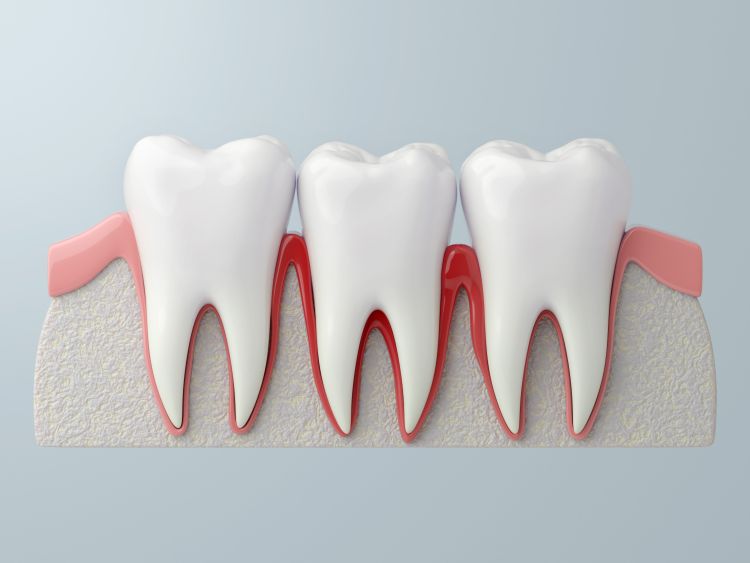
What is Gum Disease?
Gum disease, also known as periodontal disease, is an infection of the tissues that support your teeth. It starts small and quiet, but if ignored, it can lead to serious problems like gum recession, loose teeth, and even tooth loss.
There are two main stages of gum disease:
The Early Stage: Gingivitis
Gingivitis is the mildest and most common form of gum disease. At this stage, your gums may look a little red or swollen and might bleed when you brush or floss.
The best part? Gingivitis is completely reversible with proper oral hygiene and professional dental cleanings.
The Advanced Stage: Periodontitis
If gingivitis isn’t treated, it can turn into periodontitis. This is when the infection spreads deeper below the gumline and begins to damage the bone that supports your teeth.
Periodontitis can cause:
- Receding gums
- Persistent bad breath
- Loose teeth
- Changes in your bite
- Tooth loss
Unlike gingivitis, periodontitis cannot be fully reversed — but it can be managed with professional treatment.
What Causes Gum Disease?
So what actually causes gum disease? The short answer: plaque buildup.
Plaque and Tartar
Plaque is a sticky film of bacteria that constantly forms on your teeth. If it’s not removed through daily brushing and flossing, it hardens into tartar (also called calculus). Tartar can’t be removed at home — it requires a professional dental cleaning.
When plaque and tartar sit along the gumline, they irritate the gums and trigger inflammation. Over time, this leads to infection.
Poor Oral Hygiene
Inconsistent brushing and flossing allow plaque to build up quickly. Skipping regular dental checkups also increases your risk of gum disease because tartar and early signs of inflammation may go unnoticed.
Smoking and Tobacco Use
Smoking is one of the biggest risk factors for periodontal disease. It weakens your immune system, making it harder for your body to fight off gum infections. Tobacco use can also mask early symptoms like bleeding gums, allowing the disease to progress quietly.
Genetics
Sometimes, gum disease runs in families. Even with good oral hygiene, some people are more prone to developing periodontal problems due to genetic factors. That’s why regular dental exams are so important.
Other Risk Factors
- Diabetes
- Hormonal changes (pregnancy, menopause)
- Chronic stress
- Certain medications that cause dry mouth
Early Warning Signs of Gum Disease
Gum disease doesn’t always hurt in the beginning — which is why it’s often called a “silent” condition. Keep an eye out for these common symptoms:
- Red, swollen, or tender gums
- Bleeding when brushing or flossing
- Persistent bad breath
- Receding gums
- Gums pulling away from teeth
- Loose or shifting teeth
If you notice any of these signs, it’s time to schedule a dental visit. Early treatment makes a huge difference.
How to Prevent Gum Disease
The great news? Preventing gum disease is very doable with a few simple daily habits.
Brush Twice a Day
Brush for two full minutes using a soft-bristled toothbrush and fluoride toothpaste. Be sure to gently brush along the gumline where plaque loves to hide.
Quit Smoking
If you use tobacco, quitting is one of the best things you can do for your oral health — and your overall health.
Floss Daily
Flossing removes plaque and food particles from between teeth — areas your toothbrush simply can’t reach. If traditional floss is tricky, try floss picks or a water flosser.
Maintain a Healthy Lifestyle
A balanced diet, staying hydrated, and managing conditions like diabetes all support healthy gums. Your mouth is connected to your whole body, after all!
Schedule Regular Dental Cleanings
Professional dental cleanings remove hardened tartar and help detect early signs of gingivitis before it progresses. Most patients benefit from cleanings every six months, though some may need more frequent visits.
Protect Your Smile with Preventive Care at Brio Dental
Gum disease may be common, but it doesn’t have to be part of your story. The key is prevention, early detection, and consistent care. At Brio Dental, we’re here to help you stay ahead of periodontal disease with thorough exams, gentle cleanings, and personalized guidance for lifelong healthy gums.
If you’ve noticed bleeding gums or it’s been a while since your last cleaning, now is the perfect time to take action. Schedule your appointment with Brio Dental today and keep your smile healthy, strong, and confident.