If the words “dental cleaning” make you picture loud tools and awkward small talk, you’re not alone. But here’s the truth: a professional teeth cleaning is one of the easiest, and most important, ways to protect your smile.
Whether it’s been six months or a few years (no judgment here!), understanding what happens during a routine dental cleaning can make the experience feel much less intimidating. Let’s walk through what to expect, how often you really need one, and why regular dental cleanings matter more than you might think.
What Happens During a Professional Teeth Cleaning?
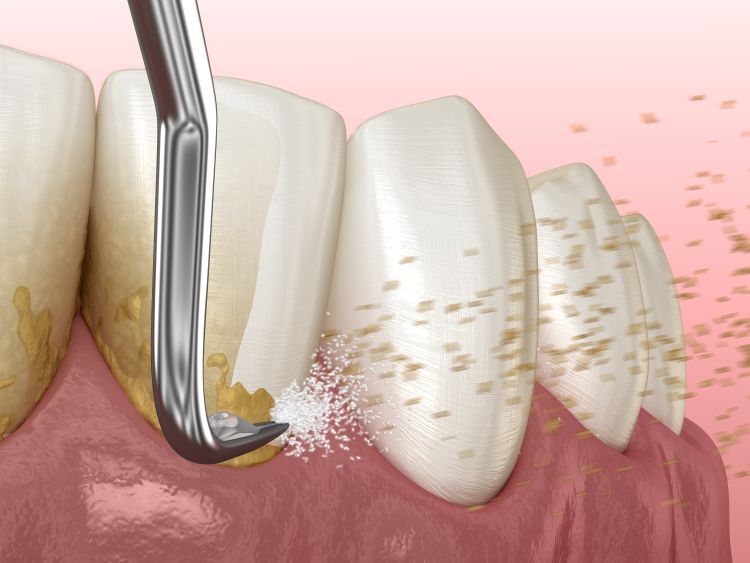
A professional dental cleaning (sometimes called a prophylaxis cleaning) is designed to remove plaque, tartar, and surface stains from your teeth — especially in places your toothbrush can’t reach.
Here’s a step-by-step look at what typically happens:
1. A Gentle Exam
Before the cleaning begins, your dental hygienist will take a quick look at your teeth and gums. They’re checking for signs of cavities, gum inflammation, or anything unusual. Think of it as a quick wellness check for your mouth.
2. Removing Plaque and Tartar
Even if you brush and floss daily (go you!), plaque can still build up over time. If it hardens into tartar, it can’t be removed at home.
Using special tools, your hygienist will carefully remove plaque and tartar from around your gumline and between your teeth. You might hear some light scraping sounds — totally normal and nothing to worry about.
Good news: this step helps prevent gum disease, cavities, and bad breath.
3. Polishing Your Teeth
Next comes the polishing step — which many patients actually enjoy! A special toothpaste and rotating brush are used to gently polish away surface stains and leave your teeth feeling super smooth.
If you’ve ever run your tongue over your teeth after a cleaning and thought, “Wow, they feel amazing,” this is why.
4. Professional Flossing
Even if you floss at home, your hygienist will give your teeth a thorough flossing to remove any leftover debris and check for areas of sensitivity.
5. Fluoride Treatment (Optional)
Some patients receive a fluoride treatment at the end of their visit. Fluoride helps strengthen enamel and protect against cavities — especially helpful for kids and cavity-prone adults.
That’s it! Most routine dental cleanings take about 30–60 minutes from start to finish.
How Often Should You Get a Dental Cleaning?
For most people, the standard recommendation is every six months.
Twice-a-year dental cleanings allow your dental team to:
- Remove hardened tartar buildup
- Catch small issues before they become big (and expensive) problems
- Monitor your gum health
- Keep your smile bright and healthy
However, some patients may need more frequent visits — especially those with:
- A history of gum disease
- Diabetes
- Frequent cavities
- Smoking habits
Your dentist will recommend a schedule based on your individual needs.
Why are Routine Teeth Cleanings so Important?
You might be thinking, “If I brush and floss every day, do I really need professional cleanings?”
Short answer: Yes!
Here’s why regular dental cleanings matter:
They Prevent Gum Disease
Plaque buildup is the main cause of gingivitis and periodontitis. Cleanings remove the bacteria that irritate your gums before serious damage occurs.
They Help Prevent Cavities
Tartar buildup creates the perfect environment for decay. Removing it lowers your risk of developing cavities.
They Freshen Breath
Persistent bad breath is often caused by bacteria hiding below the gumline. A professional cleaning helps eliminate those odor-causing culprits.
They Save You Money
Preventive care is far less expensive (and less stressful) than treating advanced dental problems. A simple cleaning today can help you avoid fillings, root canals, or gum treatments later.
They Support Overall Health
Your oral health is connected to your overall health. Studies show links between gum disease and conditions like heart disease and diabetes. Keeping your gums healthy supports your whole body.
Clearing Up Common Misconceptions About Teeth Cleaning
Let’s bust a few myths:
“Teeth cleanings are painful.”
Routine cleanings are typically very gentle. If you have sensitive gums, your hygienist can adjust techniques to keep you comfortable.
“If my teeth don’t hurt, I don’t need a cleaning.”
Many dental issues — especially gum disease — don’t cause pain in the early stages. Cleanings help catch problems before discomfort starts.
“My teeth will get weaker from frequent cleanings.”
Not true! Professional cleanings protect your enamel and strengthen your smile.
If you’re feeling nervous, let our dental team know. Modern dentistry focuses heavily on patient comfort and anxiety reduction.
Keep Your Smile Bright with Preventive Care at Brio Dental
A professional teeth cleaning is one of the simplest ways to protect your long-term oral health. It’s quick, preventive, and designed to keep small issues from turning into bigger ones. Plus, nothing beats that freshly polished feeling.
At Brio Dental, we make routine dental cleanings comfortable, thorough, and stress-free. Whether it’s your first visit in a while or you’re right on schedule, our team is here to help you maintain a healthy, confident smile.
Schedule your next dental cleaning with Brio Dental today and give your smile the care it deserves.