Dental emergencies have a way of happening at the worst possible time — during dinner, on vacation, or late at night. The good news? Most dental emergencies can be managed safely if you know what to do in the moment.
This easy-to-scan guide will walk you through common dental emergencies, what steps to take immediately, and when to seek urgent dental care. A little calm action can make a big difference in protecting your smile.
First Things First: Is It a True Dental Emergency?
You should contact a dentist right away if you experience:
Severe tooth pain that won’t go away
A knocked-out tooth
Swelling in your gums or face
Bleeding that doesn’t stop
Signs of infection (fever, pus, facial swelling)
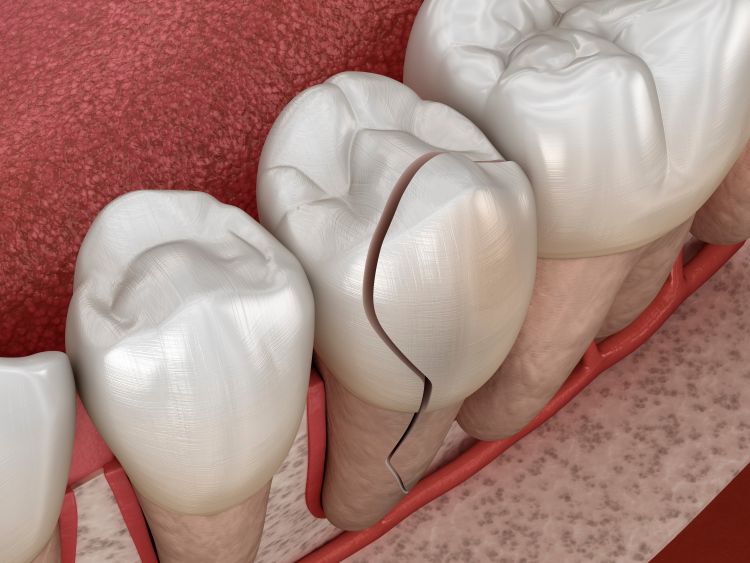
If you’re ever unsure, it’s always better to call Brio Dental for guidance.
1. Toothache
A toothache is one of the most common dental emergencies. Pain can range from mild and dull to sharp and throbbing.
What to Do:
- Rinse your mouth with warm water
- Gently floss to remove trapped food
- Apply a cold compress to the outside of your cheek for 10–15 minutes
- Take over-the-counter pain relievers (as directed)
What NOT to Do:
- Don’t place aspirin directly on your gums
- Don’t ignore severe or persistent pain
Toothaches can be caused by cavities, infections, cracked teeth, or gum disease. If the pain lasts more than a day, schedule an emergency dental appointment.
2. Chipped or Broken Tooth
Chipping a tooth on popcorn, ice, or during sports happens more often than you’d think.
What to Do:
- Rinse your mouth with warm water
- Save any broken pieces if possible
- Apply gauze if there’s bleeding
- Use a cold compress to reduce swelling
If the break is small and painless, it may not require urgent care — but it should still be evaluated. Larger breaks or pain mean you should see a dentist as soon as possible.
3. Knocked-Out Tooth (Dental Avulsion)
A knocked-out tooth is a true dental emergency — and time matters.
What to Do Immediately:
- Pick up the tooth by the crown (the chewing surface), not the root
- Gently rinse it with water if dirty (don’t scrub it)
- Try to place it back in the socket if possible
- If that’s not possible, store it in milk or saliva
- Get to a dentist within 30–60 minutes
Acting quickly greatly increases the chances of saving the tooth.
4. Lost Filling or Crown
If a filling falls out or a crown becomes loose, your tooth may feel sensitive or uncomfortable.
What to Do:
- Keep the area clean
- Avoid chewing on that side
- Use temporary dental cement (available at pharmacies) if needed
- Save the crown and bring it with you
This isn’t always an immediate emergency, but you should schedule a visit promptly to prevent further damage.
5. Swelling or Dental Abscess
Swelling in the gums, jaw, or face can signal an infection — sometimes called a dental abscess.
What to Do:
- Rinse gently with warm salt water
- Apply a cold compress to reduce swelling
- Contact a dentist immediately
If swelling is severe, spreading, or accompanied by fever or difficulty breathing, seek urgent medical care. Infections should never be ignored.
6. Bleeding Gums or Oral Injury
If you experience bleeding due to trauma:
What to Do:
- Rinse gently with water
- Apply clean gauze and light pressure
- Use a cold compress on the outside of your mouth
If bleeding doesn’t stop after 10–15 minutes of steady pressure, seek emergency care.
Staying Calm During a Dental Emergency
Dental emergencies can feel scary — but staying calm helps you think clearly and act quickly. Most situations are manageable with simple first-aid steps until you can see a dentist.
Keep these items at home for added preparedness:
- Gauze
- A small container with a lid
- Over-the-counter pain relievers
- Temporary dental cement
- A cold compress or ice pack
Knowing what to do gives you confidence when unexpected situations arise.
When in Doubt, Call a Dentist
Even if you’re unsure whether your situation qualifies as an emergency, it’s always safe to call Brio Dental. They can guide you on next steps and determine whether you need urgent dental care.
Ignoring pain or swelling can lead to bigger problems — and more complex treatment later.
Get Fast, Compassionate Emergency Care at Brio Dental
Dental emergencies are never convenient, but getting the right care quickly can protect your smile and prevent long-term damage.
At Brio Dental, we provide prompt, compassionate care for common dental emergencies — from toothaches and chipped teeth to knocked-out teeth and infections. Our team is here to guide you, relieve your discomfort, and restore your oral health as quickly as possible.
If you’re experiencing a dental emergency, contact Brio Dental right away for expert care and peace of mind.