
Looking Beyond Teeth to Breathing, Sleep, and Jaw Function
Brio Dental provides airway-focused care for patients in West Linn, OR who want to understand how breathing, jaw position, sleep, and oral health may be connected. Airway dentistry takes a broader view of dental care by evaluating structures and functions that may influence comfortable breathing, including the jaws, tongue, bite, and surrounding oral tissues. For families and adults throughout communities such as Robinwood and Bolton, this approach can provide valuable information when dental concerns seem to overlap with sleep or breathing issues.
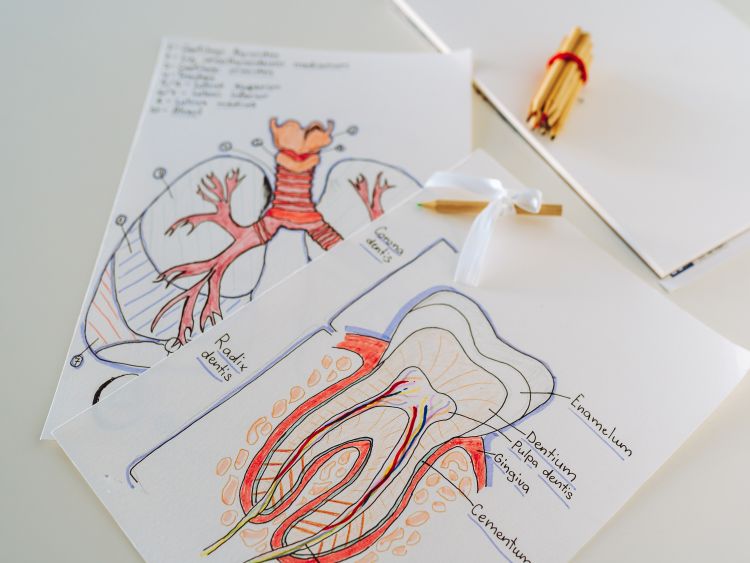
Symptoms do not always point to an obvious cause. Persistent mouth breathing, poor sleep quality, snoring, jaw discomfort, or concerns about oral development may warrant a closer evaluation. Brio Dental emphasizes education and individualized care so patients can understand what the dentist observes and what options, if any, should be considered next.
Airway Dentistry for Different Stages of Life
Rather than treating airway concerns as one single condition, professional evaluation considers the patient’s age, dental history, symptoms, and individual anatomy.
When Sleep-Disordered Breathing Is a Concern
Patients experiencing habitual snoring, waking frequently, or consistently feeling poorly rested may wonder whether sleep-disordered breathing is involved. Obstructive sleep apnea occurs when the upper airway becomes blocked repeatedly during sleep, potentially interrupting airflow and affecting oxygen levels.
Dentists do not replace an appropriate medical sleep evaluation. Instead, airway-focused dental care can identify oral and structural considerations that may contribute to the overall clinical picture. For someone living around the Willamette Historic District or Barrington Heights, that may mean discussing symptoms with both dental and medical professionals rather than treating snoring as an isolated problem.
When Jaw Alignment and Oral Development Raise Questions
The relationship between the upper and lower jaws can affect bite function as well as the space available within the mouth and upper airway. During an evaluation, a dentist may consider jaw alignment, tongue position, oral tissues, bite relationships, and other aspects of dental development.
For younger patients, dentists can also observe changes occurring during human development and determine whether dental or bite concerns deserve continued monitoring or referral. These observations should be based on the individual patient rather than assumptions that every developmental difference indicates an airway problem.
Families traveling from Hidden Springs or Rosemont Summit can use these conversations to better understand how present dental findings may influence longer-term care decisions.
When an Oral Appliance May Be Appropriate
For certain adults with appropriately diagnosed obstructive sleep apnea, oral appliances may be considered as part of treatment. Current dental sleep-medicine standards emphasize appropriate patient screening, comprehensive examination, appliance selection, and ongoing dentist-physician collaboration.
When prescribed for obstructive sleep apnea, professional guidance favors a custom, titratable oral appliance delivered by a qualified dentist rather than a non-custom device. Dental follow-up is also recommended to monitor potential bite or dental changes.
Professional Evaluation Before Dental Treatment
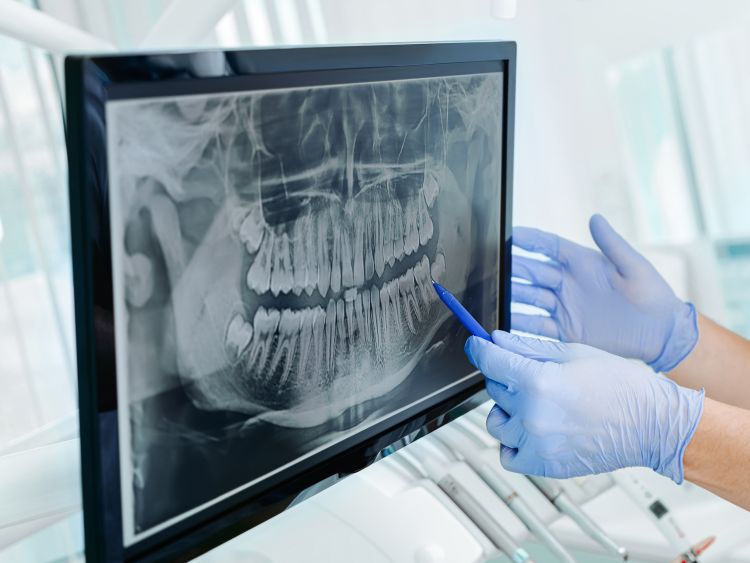
Airway-focused dental care professionals need to consider more than symptoms alone. A thoughtful assessment may review oral health, existing restorations, the bite, jaw relationships, oral tissues, breathing concerns, and previous medical or dental treatment. From there, recommendations can be based on what is actually found.
That may lead to routine preventive care, additional monitoring, appropriate dental procedures, an individualized treatment approach, or coordination with another healthcare provider. Airway concerns should not automatically result in an appliance or procedure.
Brio Dental supports this individualized philosophy with patient education, natural-product options, and mercury- and metal-free restorations where appropriate.
A Patient-Centered Dental Experience for West Linn
Brio Dental opened in 2020 and provides care through licensed dental professionals with an emphasis on communication and patient participation. Its fee-for-service approach allows recommendations to focus on individual dental needs, while insurance is accepted but not required.
The practice also offers a $199 New Patient Special, giving new patients an opportunity to begin with a comprehensive understanding of their dental health before deciding on future care.
Whether you are coming from near McLean House, the Camassia Natural Area, or across the Oregon City Arch Bridge, contact Brio Dental to schedule an airway-focused dental visit serving West Linn, OR.
Reviews & Patient Trust
Here’s what our clients are saying about working with Brio Dental.
Airway Dentistry FAQs for West Linn Patients
Occasional mouth breathing does not necessarily indicate a dental or airway problem, but a persistent pattern can be worth discussing—particularly when it occurs during sleep or alongside snoring, dry mouth, restless sleep, jaw discomfort, or daytime fatigue. The purpose of seeing an airway-focused dentist is not to assume that mouth breathing has one particular cause. Instead, the dentist can evaluate oral structures and determine whether dental factors may be contributing to the concern.
For patients in West Linn, OR, an evaluation may include looking at the bite, tongue position, jaw alignment, teeth, and surrounding oral tissues. Someone from Robinwood or the Willamette Historic District may initially schedule because of dry mouth or dental discomfort and only later realize that breathing habits are worth discussing.
Nasal or respiratory conditions may also contribute to mouth breathing and fall outside a dentist’s scope. When that is possible, coordination with an appropriate medical professional can help patients avoid unnecessary dental treatment and receive a more complete evaluation.
Dentists can participate in the management of certain cases of obstructive sleep apnea, particularly when oral appliance therapy is appropriate, but medical diagnosis and dental treatment serve different purposes. Sleep apnea can repeatedly interrupt breathing and reduce airflow during sleep, so patients with symptoms such as habitual loud snoring, gasping, witnessed breathing pauses, or persistent daytime sleepiness should discuss them with an appropriate healthcare provider.
For patients in West Linn, OR, collaborative care may involve a sleep physician or another qualified medical provider establishing the diagnosis and an airway-focused dentist evaluating whether an oral appliance is clinically appropriate. Current dental sleep-medicine standards also emphasize collaboration and follow-up rather than appliance delivery without continuing oversight.
Someone near Bolton, Rosemont Summit, or the Camassia Natural Area therefore does not necessarily have to choose between a dentist and a sleep provider. Each can contribute different expertise to a coordinated treatment plan.
Children’s mouths and jaws change substantially during growth, so airway-related conversations involving younger patients require particular care. Parents may notice mouth breathing, snoring, changes in the bite, or other oral habits and wonder whether they relate to jaw growth or breathing. Those observations can be useful to discuss with a dental professional, but they should not be treated as proof that a child has an airway obstruction or sleep disorder.
For families in West Linn, OR, including those in Hidden Springs or Barrington Heights, a dental evaluation can help document bite relationships, oral development, jaw alignment, and other findings as a child grows. The dentist can then determine whether routine monitoring is sufficient or whether evaluation by another healthcare professional would be useful.
Airway dentistry should support informed decision-making rather than encourage unnecessary intervention. Parents should ask what finding is causing concern, what changes should be monitored, what treatment alternatives exist, and whether another professional should participate before pursuing dental procedures related to growth or breathing.
Airway dentistry does not have one universal price because the appropriate care can differ significantly between patients. One person may only need a comprehensive dental evaluation and monitoring, while another may require additional diagnostic information, restorative dental treatment, a custom oral appliance, adjustments, or coordinated care with a sleep-medicine provider. Those services should not be treated as interchangeable when comparing costs.
For patients coming from Summerfield, McLean House, or elsewhere in West Linn, OR, the most useful approach is to ask what is included in the recommended care and why each component is necessary before agreeing to treatment.
Brio Dental uses a fee-for-service model, with insurance accepted but not required. The practice also offers a $199 New Patient Special. Patients should confirm what is currently included in that offer and whether any airway-specific evaluation or treatment carries an additional fee. Clear discussion of findings, proposed dental care, anticipated costs, and follow-up requirements makes it easier to evaluate the clinical value of a treatment plan rather than choosing care based on price alone.