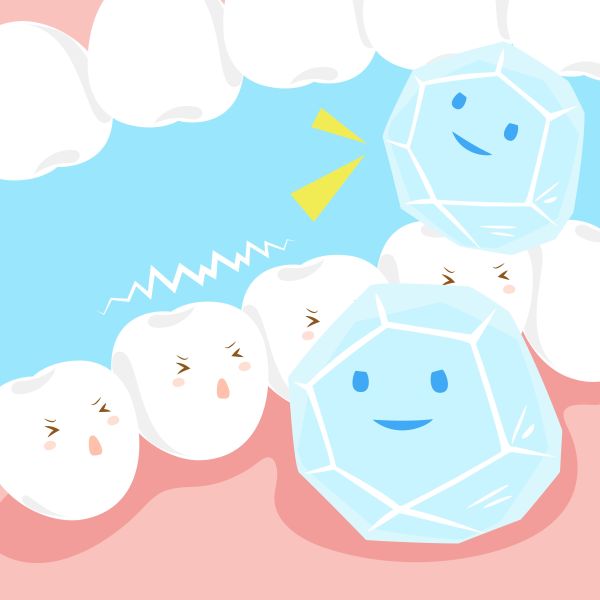
Do you ever wince when sipping hot coffee or biting into ice cream? If so, you’re not alone. Tooth sensitivity is one of the most common dental concerns — and it can turn simple pleasures into uncomfortable moments.
The good news? Sensitive teeth are treatable. And in many cases, relief is easier than you think. Let’s break down what tooth sensitivity feels like, what causes it, and when it’s time to see your dentist.

What Does Tooth Sensitivity Feel Like?
Tooth sensitivity often feels like a quick, sharp zing of pain. It may happen when your teeth are exposed to:
- Hot drinks like coffee or tea
- Cold foods like ice cream
- Sweet or acidic snacks
- Cold air
- Brushing or flossing
For some people, the discomfort lasts just a few seconds. For others, it lingers longer. The key thing to know? Occasional mild sensitivity can be normal — but ongoing or worsening pain shouldn’t be ignored.
What Causes Sensitive Teeth?
There are several common causes of sensitive teeth, and most of them involve changes to your enamel or gums.
1. Enamel Wear
Your enamel is the protective outer layer of your teeth. When it wears down, the inner layer (called dentin) becomes exposed. Dentin contains tiny tubules that connect to the tooth’s nerves — which is why you feel that sudden zap of discomfort.
Enamel wear can happen due to:
- Brushing too hard
- Using a hard-bristled toothbrush
- Grinding your teeth (bruxism)
- Acidic foods and drinks (like soda or citrus)
2. Gum Recession
Your enamel is the protective outer layer of your teeth. When it wears down, the inner layer (called dentin) becomes exposed. Dentin contains tiny tubules that connect to the tooth’s nerves — which is why you feel that sudden zap of discomfort.
Enamel wear can happen due to:
- Brushing too hard
- Using a hard-bristled toothbrush
- Grinding your teeth (bruxism)
- Acidic foods and drinks (like soda or citrus)
3. Cavities
If sensitivity is isolated to one specific tooth and doesn’t go away, a cavity may be the cause. Tooth decay creates openings that expose deeper layers of the tooth, leading to discomfort.
4. Recent Teeth Whitening
Professional or at-home teeth whitening treatments can temporarily increase sensitivity. This usually fades within a few days, but if it lingers, let your dentist know.
5. Cracked or Damaged Teeth
Small cracks can allow temperature changes and bacteria to reach the inner tooth. This type of sensitivity often feels sharp when biting down.
When is Tooth Sensitivity Normal?
Mild sensitivity can be normal in situations like:
- A few days after professional whitening
- Occasionally when drinking something very cold
- Right after a dental cleaning
If the discomfort is short-lived and goes away quickly, it’s usually not a major concern.
When Does Sensitivity Signal a Bigger Issue?
You should schedule a dental exam if you experience:
- Sensitivity that lasts more than a few days
- Pain when biting or chewing
- Sensitivity in just one tooth
- Swelling or gum tenderness
- Persistent tooth pain
These symptoms could point to cavities, gum disease, infection, or other issues that require professional treatment. The earlier the problem is identified, the easier (and more affordable) it typically is to treat.
Treatment Options for Tooth Sensitivity
The right tooth sensitivity treatment depends on the cause. Your dentist may recommend:
Fluoride Treatments
Professional fluoride treatments strengthen enamel and reduce sensitivity. These are quick, simple, and often done during a routine dental visit.
Nightguards
If grinding your teeth is contributing to enamel wear, a custom nightguard can protect your smile while you sleep.
Gum Disease Treatment
If gum recession or inflammation is the issue, treating gum disease can reduce sensitivity and protect your tooth roots.
Dental Fillings or Crowns
If a cavity or crack is causing pain, restoring the tooth with a filling or crown can eliminate the discomfort and prevent further damage.
Desensitizing Toothpaste
Special toothpaste for sensitive teeth helps block the nerve signals that cause discomfort. With consistent use, many patients notice improvement within a few weeks.
How to Prevent Sensitive Teeth
While not all sensitivity can be prevented, you can reduce your risk by:
- Brushing gently with a soft-bristled toothbrush
- Using toothpaste for sensitive teeth
- Avoiding excessive acidic foods and drinks
- Wearing a nightguard if you grind your teeth
- Scheduling regular dental cleanings and exams
Preventive dental care plays a big role in protecting your enamel and keeping your gums healthy.
Find Relief for Sensitive Teeth at Brio Dental
Tooth sensitivity may be common, but that doesn’t mean you have to live with it. Whether your discomfort is mild or persistent, identifying the cause is the first step toward relief.
At Brio Dental, we take the time to evaluate your symptoms, explain what’s happening, and recommend personalized treatment options to restore your comfort. From desensitizing treatments to restorative care, we’re here to help you enjoy your favorite foods and drinks again — pain-free.
Schedule your appointment with Brio Dental today and take the first step toward a healthier, more comfortable smile.