
Ever left a dental appointment wondering, “Wait… what exactly is a crown again?” You’re not alone! Dental terms can sometimes sound like a completely different language. That’s why we’ve created this easy-to-understand dental glossary for patients — so you can feel confident and informed at every visit.
Below, you’ll find simple explanations of common dental terms you might hear during a dental exam, professional teeth cleaning, or when reviewing a treatment plan.
Why Understanding Dental Terms Matters
Knowing these common dental terms helps you feel more confident during appointments and when reviewing treatment recommendations. Instead of feeling unsure, you’ll understand what your dentist is explaining — and why it matters for your oral health.
Being informed also helps you:
Make confident decisions about your treatment
Ask better questions
Reduce dental anxiety
Take a more active role in preventive dental care
And remember, there’s no such thing as a silly question when it comes to your smile!
Abscess
A painful infection near the root of a tooth or in the gums. It usually requires prompt dental treatment.
Cavity
A small hole in your tooth caused by tooth decay. Cavities are treated with dental fillings.
Crown
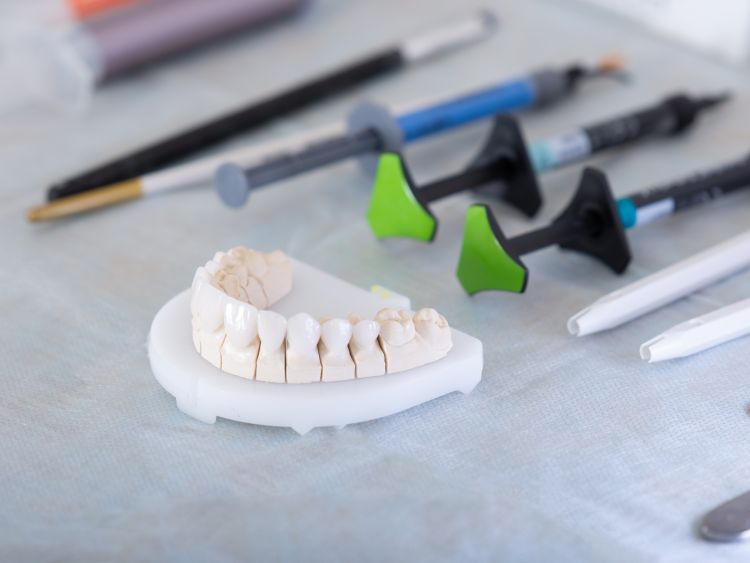
A custom-made “cap” that covers a damaged or weakened tooth to restore its shape, strength, and appearance.
Dental Cleaning
A professional cleaning performed by a dental hygienist to remove plaque, tartar, and surface stains.
Dental Implant
A small titanium post placed in the jawbone to replace a missing tooth root. A crown is placed on top to look and function like a natural tooth.
Enamel
The hard, outer layer of your tooth. It protects the inside of the tooth from damage and decay.
Extraction
The removal of a tooth. This may be necessary if a tooth is severely damaged or infected.
Filling
A material used to repair a cavity and restore a tooth after decay is removed.
Gingivitis
The early stage of gum disease. Gums may look red, swollen, or bleed easily. The good news? Gingivitis is reversible with proper oral care and regular dental cleanings.
Gum Disease (Periodontal Disease)
An infection of the gums caused by plaque buildup. If untreated, it can lead to tooth loss.
Hygienist
A licensed dental professional who performs professional teeth cleanings and helps patients maintain healthy gums.
Invisalign®
Invisalign is a clear aligner system used to straighten teeth without traditional metal braces.
Mouthguard
A protective device worn over the teeth to prevent injury during sports or to reduce teeth grinding at night.
Orthodontics
The area of dentistry focused on straightening teeth and correcting bite issues, often with braces or clear aligners.
Periodontitis
The advanced stage of gum disease. It can cause gum recession, bone loss, and loose teeth if not treated.
Plaque
A sticky film of bacteria that constantly forms on your teeth. Brushing and flossing remove plaque before it causes cavities or gum disease.
Restoration
Any dental work that restores a tooth’s function or appearance, such as a filling, crown, or bridge.
Sealant
A thin protective coating applied to the chewing surfaces of back teeth to help prevent cavities.
Sensitivity
Discomfort or pain in teeth triggered by hot, cold, or sweet foods. It can be caused by enamel wear or gum recession.
Tartar
Hardened plaque that can only be removed during a professional dental cleaning.
Veneer
Veneers are a thin shell placed on the front of a tooth to improve its shape, color, or appearance.
Wisdom Teeth
The third set of molars that typically appear in your late teens or early twenties. They sometimes need to be removed if they cause crowding or pain.
X-Rays
Dental images that allow your dentist to see areas not visible during a regular exam, such as between teeth or below the gumline.
Feel Confident About Your Smile with Brio Dental
Understanding your dental care shouldn’t feel overwhelming. When you know the meaning behind common dental terms — from plaque and tartar to crowns and fillings — you’re empowered to make smart choices for your oral health.
At Brio Dental, we believe patient education is just as important as great treatment. Our friendly team takes the time to explain procedures clearly, answer your questions, and make sure you feel completely comfortable every step of the way.
Schedule your appointment with Brio Dental today and experience dental care that keeps you informed, confident, and smiling bright.